
Planning a Move?
Let's Stay in Touch. Sign up for Touchdown Highlights
About
Services
Consultations
Knowledge Hub
Contact
Knowledge Hub
Portuguese Traditions
Published
March 17
2026
Lifestyle & Safety
Reviewed by Experts
Published
March 17
2026
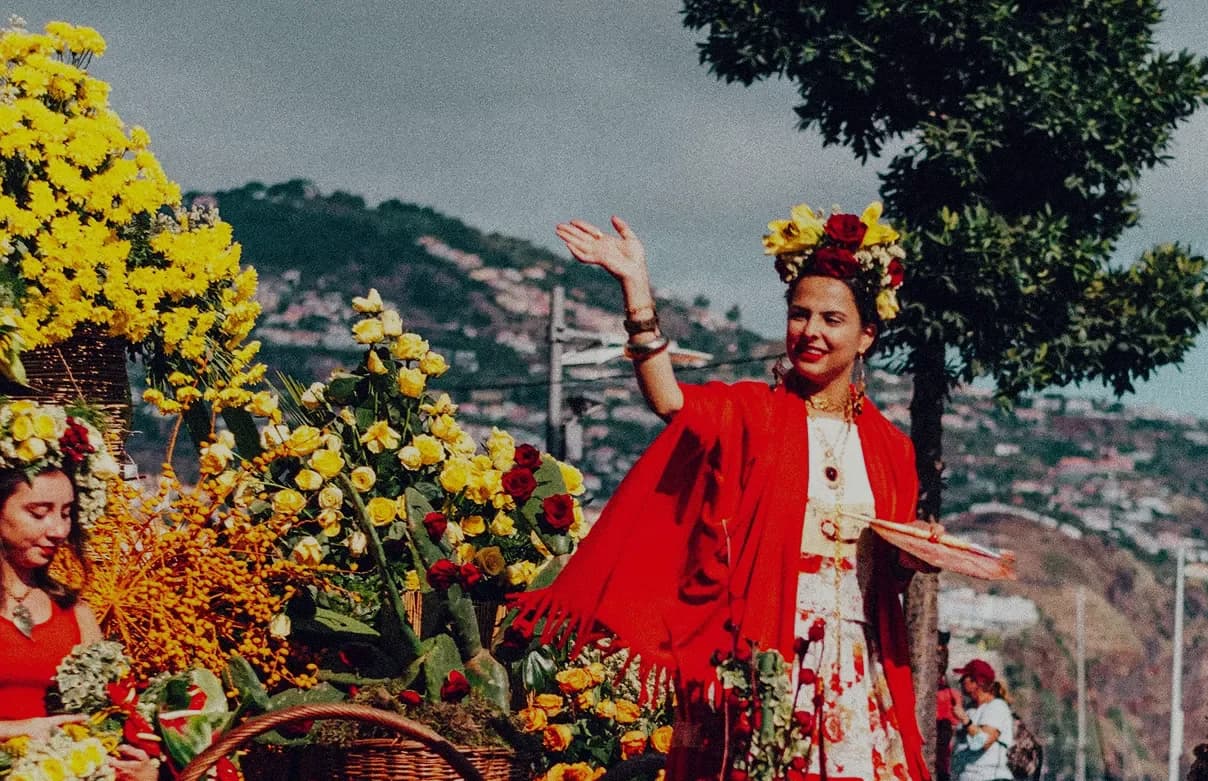
Portugal is one of Europe's most distinctive countries. Its people, food, music, and festivals carry centuries of history in every detail. Whether you are planning a visit or preparing to call Portugal home, understanding Portuguese traditions gives you something no guidebook map ever could: a genuine sense of belonging.
From the mournful beauty of fado to the chaos of São João night in Porto, traditions in Portugal are not dusty museum pieces. They are alive, celebrated loudly, and woven into everyday life. This guide covers 22 of the most important ones, so you can arrive already knowing what makes this country tick.
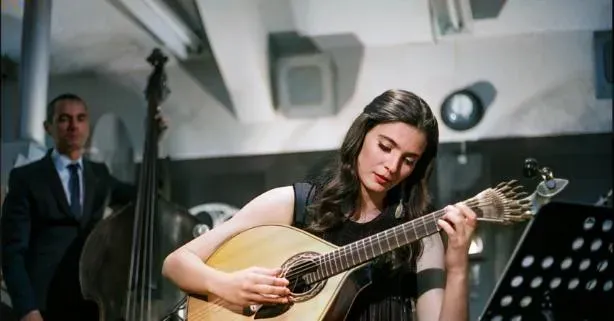
Fado emerged in the early 19th century in Lisbon's Alfama and Mouraria neighbourhoods. It was originally the music of sailors, fishermen, and the marginalised. African rhythms, Brazilian modinhas, and Moorish melodies all shaped its sound. In 2011, UNESCO awarded fado Intangible Cultural Heritage status, recognising what the Portuguese already knew.
Fado expresses saudade, loss, longing, fate, and destiny. Three musicians typically perform together: a fadista (singer), a Portuguese guitarist playing the pear-shaped, 12-string guitarra portuguesa, and a viola baixo player. The atmosphere at a live fado performance is intense and intimate. Audiences stay quiet, respectful, and completely absorbed.
Lisbon fado has raw, working-class roots. Coimbra fado is performed exclusively by men and is tied to the city's university culture. The two styles differ in instrumentation, vocal style, and setting.
Casas de fado in Lisbon's Alfama and Bairro Alto neighbourhoods offer the most authentic experiences. Most pair performance with dinner, so book ahead. The most celebrated fado artists include Amália Rodrigues, Mariza, and Ana Moura.
Saudade has no direct English translation, and that is part of what makes it so distinctly Portuguese. At its core, it describes a deep emotional longing for something or someone absent, whether a person, a place, or a time that has passed.
It borrows from nostalgia, melancholy, and homesickness, but it is not quite any of those things. It carries a bittersweet acceptance that the thing you long for may never return. To understand where saudade comes from, you have to look at Portugal's seafaring history.
For centuries, wives and families waited on shore while husbands and sons sailed into unknown waters. Many never came back. That particular ache, of loving something you cannot hold onto, became embedded in the national character over generations.
Today, saudade surfaces everywhere, in fado lyrics, in poetry, and in ordinary conversation. The writer Fernando Pessoa, one of Portugal's most celebrated literary figures, made it central to his entire body of work. If you want to understand Portuguese culture and traditions at any real depth, saudade is the place to start.
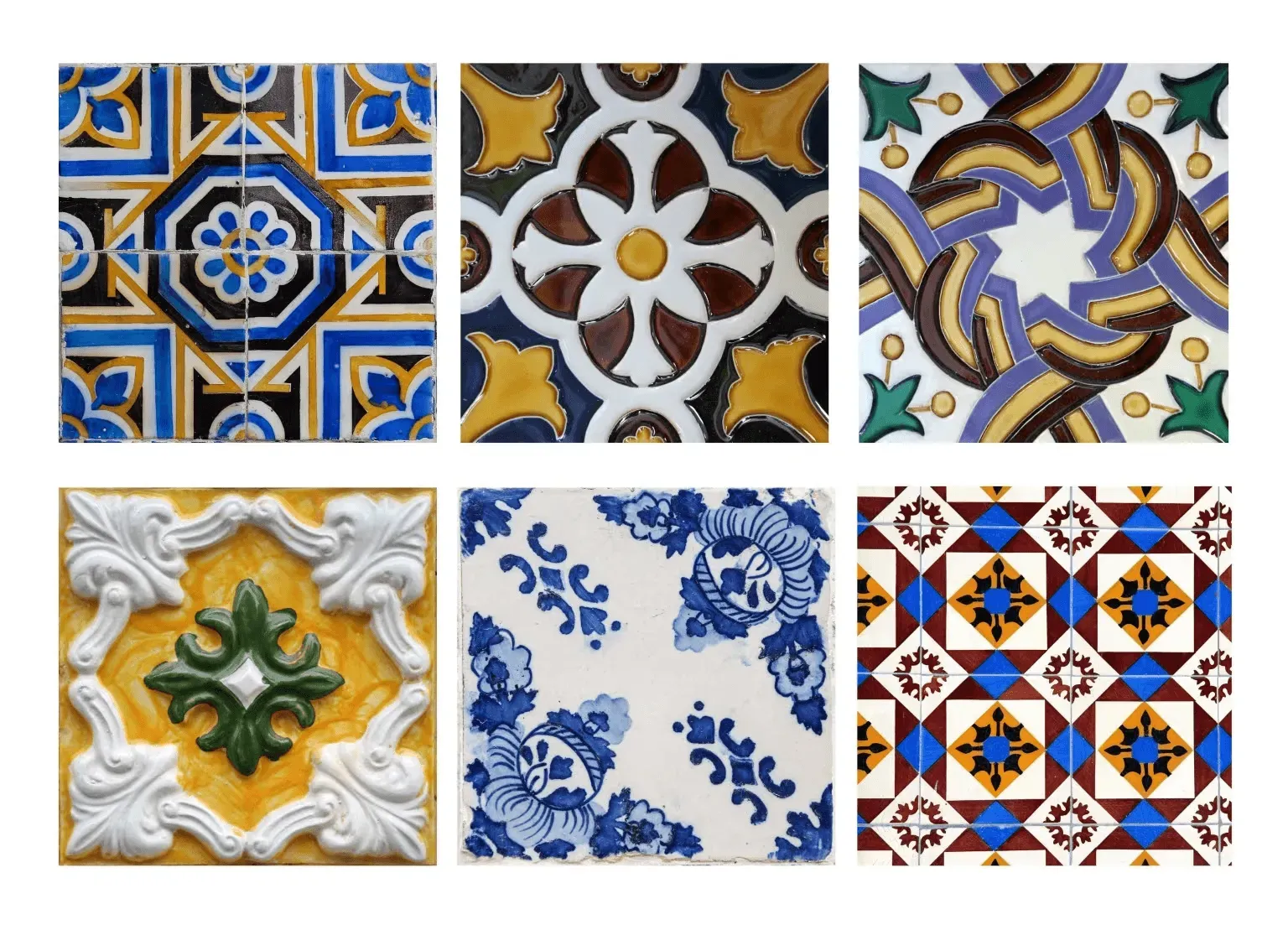
Azulejos are glazed, hand-painted ceramic tiles found across Portugal's buildings, churches, and railway stations. The word itself comes from the Arabic az-zulayj, meaning polished stone, which points directly to their origins. They arrived in Portugal in the 16th century through Moorish and Flemish influence, and over time they evolved from simple geometric patterns into detailed narrative scenes depicting historical events, religious stories, and daily life.
The signature blue and white palette became dominant in the 17th century, shaped by the influence of Dutch Delftware and Chinese porcelain reaching Lisbon's busy ports.
Some of the most breathtaking azulejo work in the country can be found at São Bento railway station in Porto, the Igreja do Carmo in Porto, the Museu Nacional do Azulejo in Lisbon, and the Palácio dos Marqueses de Fronteira, also in Lisbon. Each one is worth visiting in its own right, not just for the tiles but for the stories they tell.
Each tile is still hand-painted by skilled artisans, and the craft has not been industrialised in the way many traditional arts have. Mass-produced imitations flood souvenir shops across the country, so look for slight imperfections and irregular brushstrokes when buying authentic pieces. The Museu Nacional do Azulejo in Lisbon is the best place to understand the full history of the tradition before you start buying.
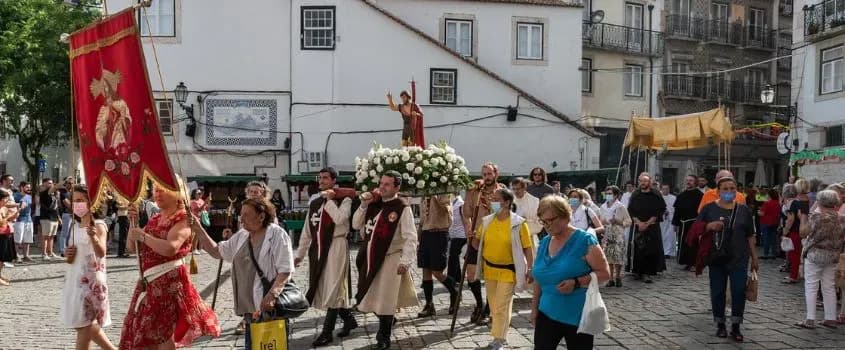
June belongs to Lisbon. The entire city celebrates Santo António, Lisbon's patron saint, across the whole month, with the energy building steadily until the nights of 12th and 13th June. That is when the marchas populares parade through Avenida da Liberdade, as neighbourhoods compete in elaborate costume processions judged by a panel and watched by thousands. Street parties called arraiais take over every neighbourhood simultaneously.
The sensory memory of these nights is unmistakable: sardines grilling on charcoal, wine poured into plastic cups, caldo verde simmering in giant pots. Locals give potted basil plants called manjericos as love tokens, each one wrapped with a small handwritten poem. Fairy lights transform Alfama's narrow streets into something that feels, even to first-time visitors, like home.
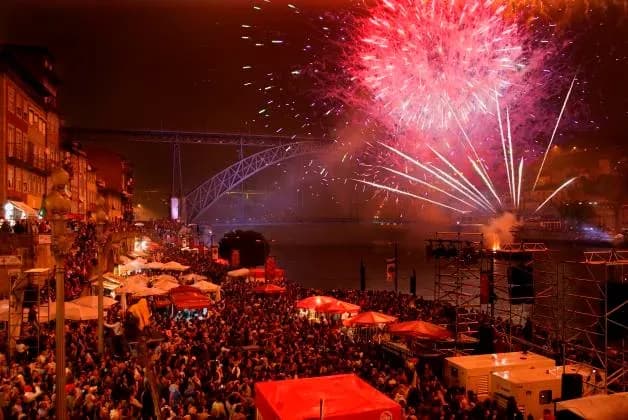
São João is Porto's most exuberant celebration, and if you are in the city on the night of 23rd June, you will not forget it. The tradition most visitors notice first is being hit on the head with a plastic hammer by complete strangers. Originally, people used garlic flowers (alho francês), and the more traditional version still survives alongside the modern plastic one.
As midnight approaches, bonfires are lit across the city, hot air balloons (balões de São João) are released into the night sky, and fireworks explode over the Douro River. The entire city stays out until dawn. Similar celebrations take place in Braga, Vila do Conde, and other northern cities, but Porto's version remains the most famous.
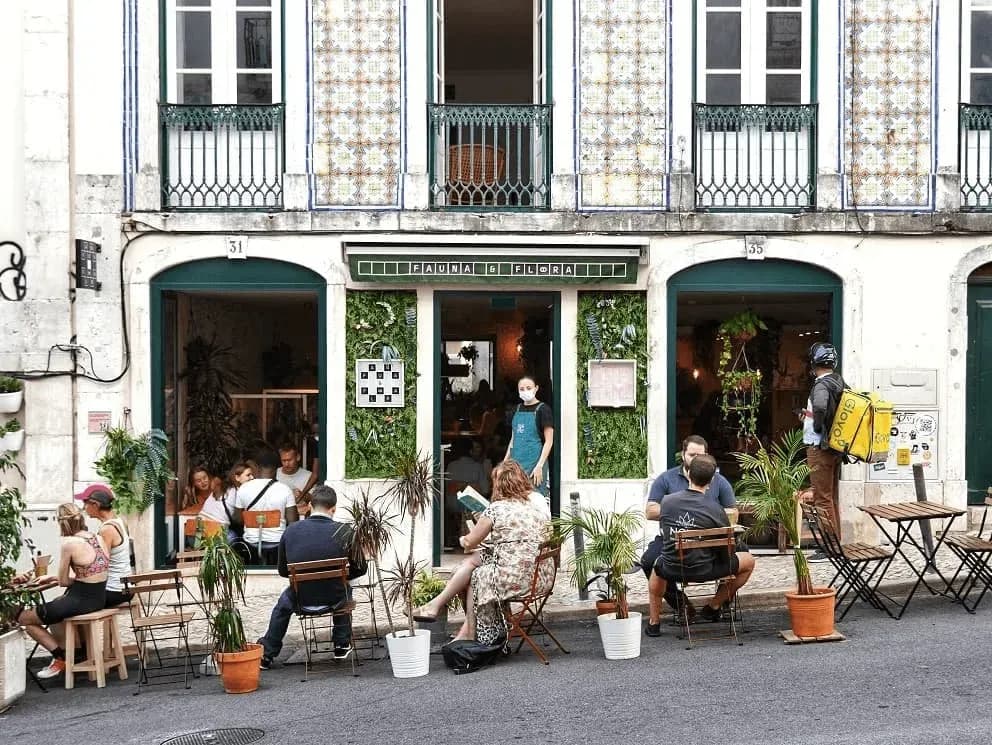
Portuguese café culture is not really about coffee. It is about pace, and learning to slow down enough to enjoy it. No one rushes you out of a Portuguese café, whether you are standing at the counter for two minutes or sitting for two hours, and that attitude says something important about how the Portuguese approach daily life.
Ordering correctly matters if you want to fit in. A bica is the Lisbon equivalent of an espresso, while in Porto you ask for a cimbalino. A galão is a tall milky coffee, a meia de leite is closer to a flat white, and an abatanado is a longer, weaker black coffee.
Sitting at a table typically costs more than standing at the counter, so locals often stand, and so should you. Historic cafés worth visiting include A Brasileira in Lisbon's Chiado neighbourhood and the Majestic Café in Porto.
For expats moving to Portugal from the USA, embracing café culture is one of the most natural ways to feel at home quickly. It is also one of the reasons so many people choose to work remotely in Portugal. The pace is slower, the coffee is better, and nobody is timing you.
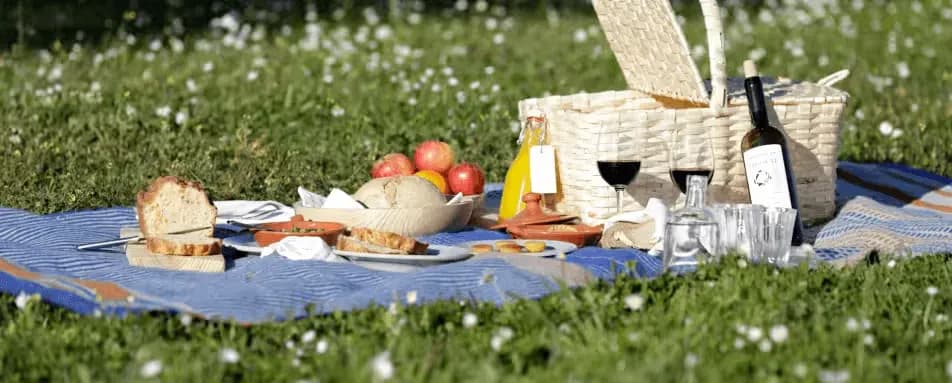
Sunday lunch in Portugal is not a meal. It is a ritual, and treating it as anything less will mark you out as someone who does not quite understand how things work here. Families rotate hosting duties, gathering extended relatives around a table that typically stays set for three to four hours. Traditional dishes include cozido à portuguesa (a rich meat and vegetable stew), bacalhau in various forms, roast lamb, and seafood rice.
Wine flows, conversation wanders between generations, and dessert appears just when you think the meal has ended. These lunches represent everything central to Portuguese values which include family, loyalty, community, and a generosity that rarely needs to announce itself.
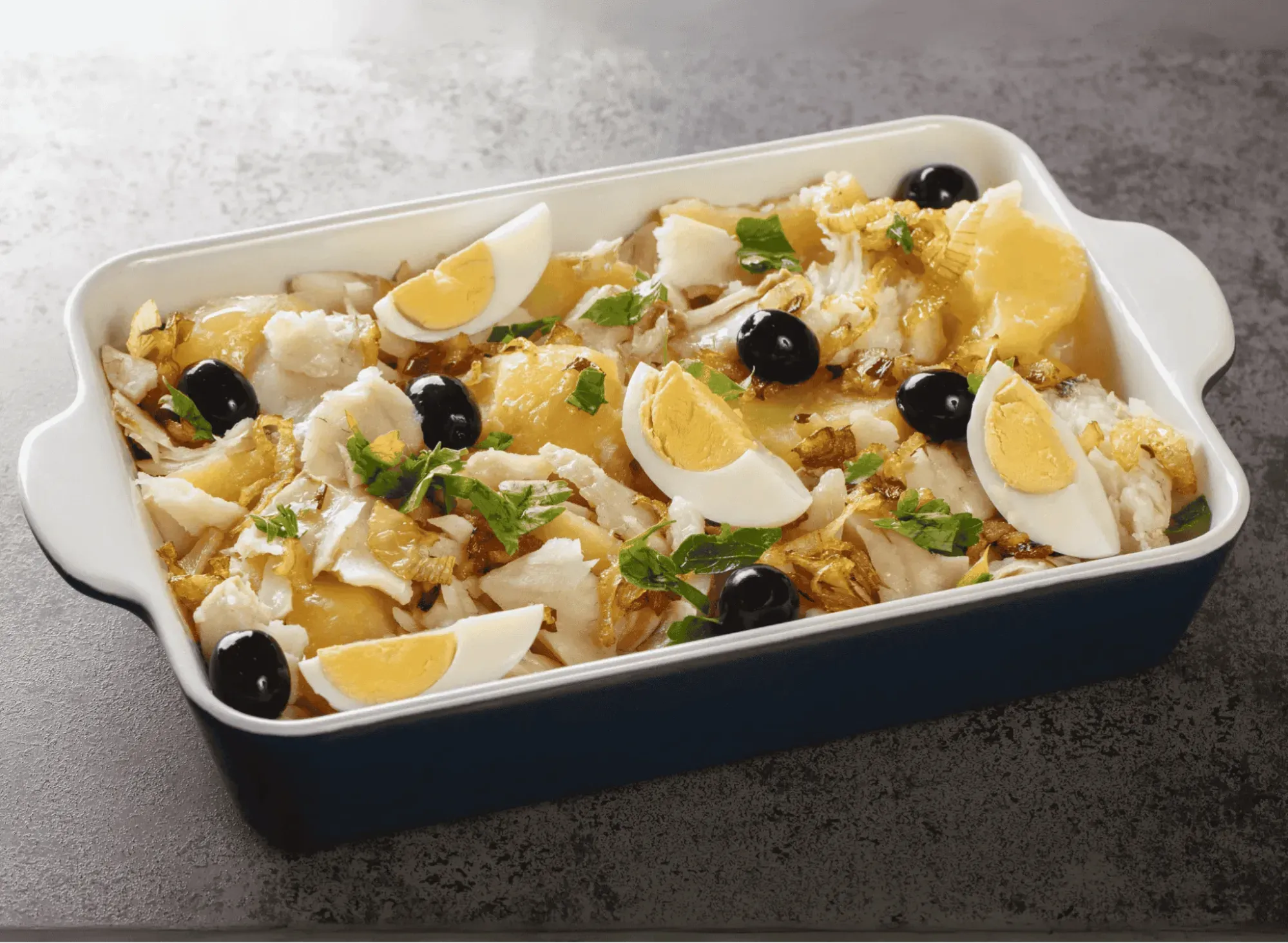
Bacalhau (salt cod) is the defining ingredient of Portuguese cuisine, and its story begins long before modern refrigeration. The obsession started in the 15th century, when Portuguese fishermen sailed to the North Atlantic and preserved their catch by salting and drying it on the journey home.
That practical solution became a cultural institution, and today the legend claims there are 365 recipes, one for each day of the year. Some even say 1,001.
Preparing bacalhau requires soaking the dried, salted fish in cold water for 24 to 48 hours, changing the water several times to draw out the salt. The result is an ingredient with a completely different texture and flavour from fresh cod.
The variety of bacalhau recipes is one of the things that surprises newcomers most. Some of the most celebrated include:
Bacalhau appears at every major family occasion and celebration, from Christmas to Easter to Sunday lunch. Once you understand that, you start to understand the rhythm of Portuguese life.
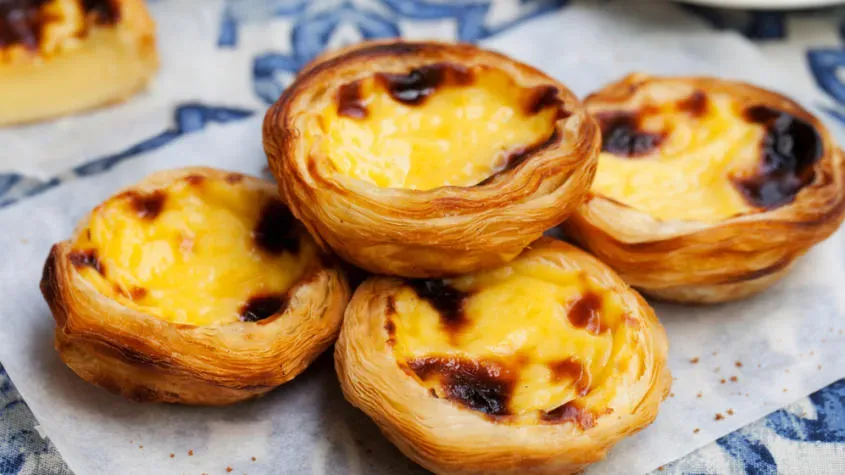
Portugal's most beloved sweets were born in convents, and the origin story is as practical as it is charming. Monks and nuns used egg whites to starch religious robes, which left large quantities of yolks behind. Rather than waste them, they combined those yolks with sugar, almonds, and cinnamon, and in doing so, they created the foundation of an entire pastry tradition that has outlasted the convents themselves.
The range of these sweets is remarkable, and regional variations mean you can discover new ones as you travel across the country:
The Portuguese eat sweets at breakfast without a second thought, and once you try a pastel de nata warm from the oven at 8am, you will understand exactly why.
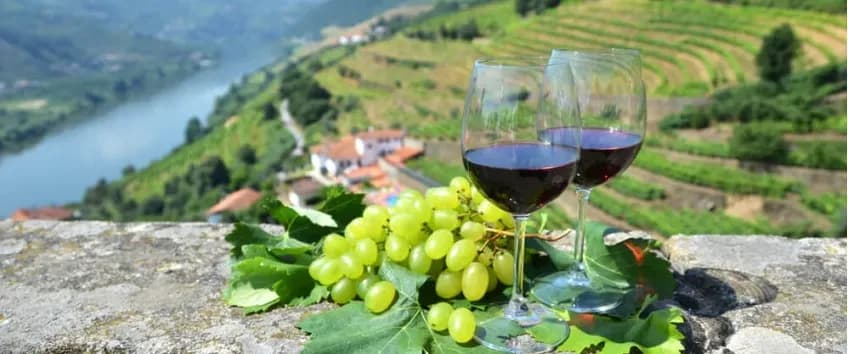
Port wine originates from the Douro Demarcated Region, established in 1756, making it one of the world's oldest protected wine regions. The decision to add aguardente (grape spirit) during fermentation was originally born out of practicality.
It preserved wine for long sea voyages to Britain and beyond. The result is a wine with significantly higher sweetness, richness, and alcohol content than standard table wine, and a character that is entirely its own.
After fermentation, the wine travels down to the lodges (caves) in Vila Nova de Gaia, directly across the river from Porto, where it ages in barrels or bottles depending on the style.
The range of port styles is wider than most visitors expect:
Most lodges in Vila Nova de Gaia offer tours and tastings, and an afternoon spent crossing the river from Porto to explore them is one of the best ways to understand the region's identity. Port is distinct from Portugal's other fortified wines: Madeira and Moscatel de Setúbal each have their own terroir and story worth exploring.
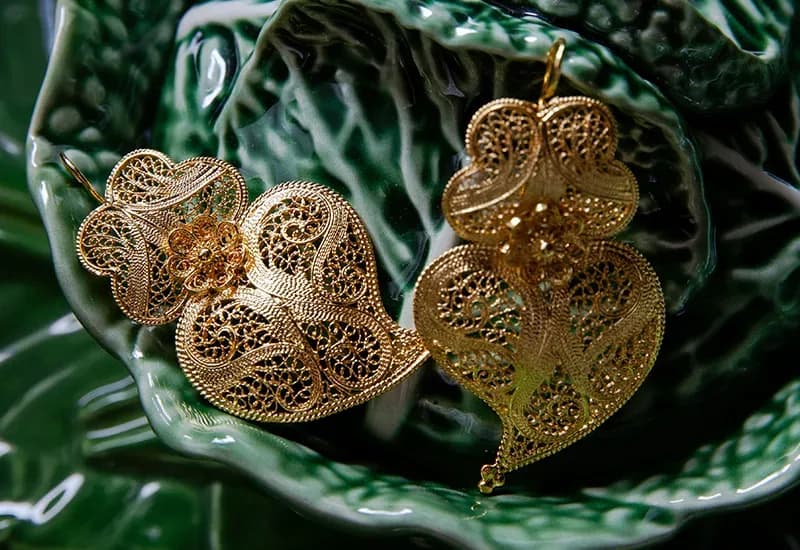
Filigree is one of the most enduring Portuguese traditions in decorative craft: the art of intertwining fine gold or silver wires into intricate, lace-like designs that Portugal has been producing to world-class standard for centuries.
Artisans draw wire by hand, shape it into precise patterns, and solder every connection individually. The process is painstaking, which is why authentic filigree carries real value and why the difference between a genuine piece and a mass-produced imitation is immediately apparent to anyone who knows what to look for.
The most recognisable styles include the Coração de Viana, a heart-shaped piece symbolising love and cultural identity, the ornate Rainha style designed for statement-wearing, and the floral Viana style traditionally worn with Minho folk costume. Filigree plays a significant role in engagements and weddings, and Portugal officially recognises it as intangible national heritage.
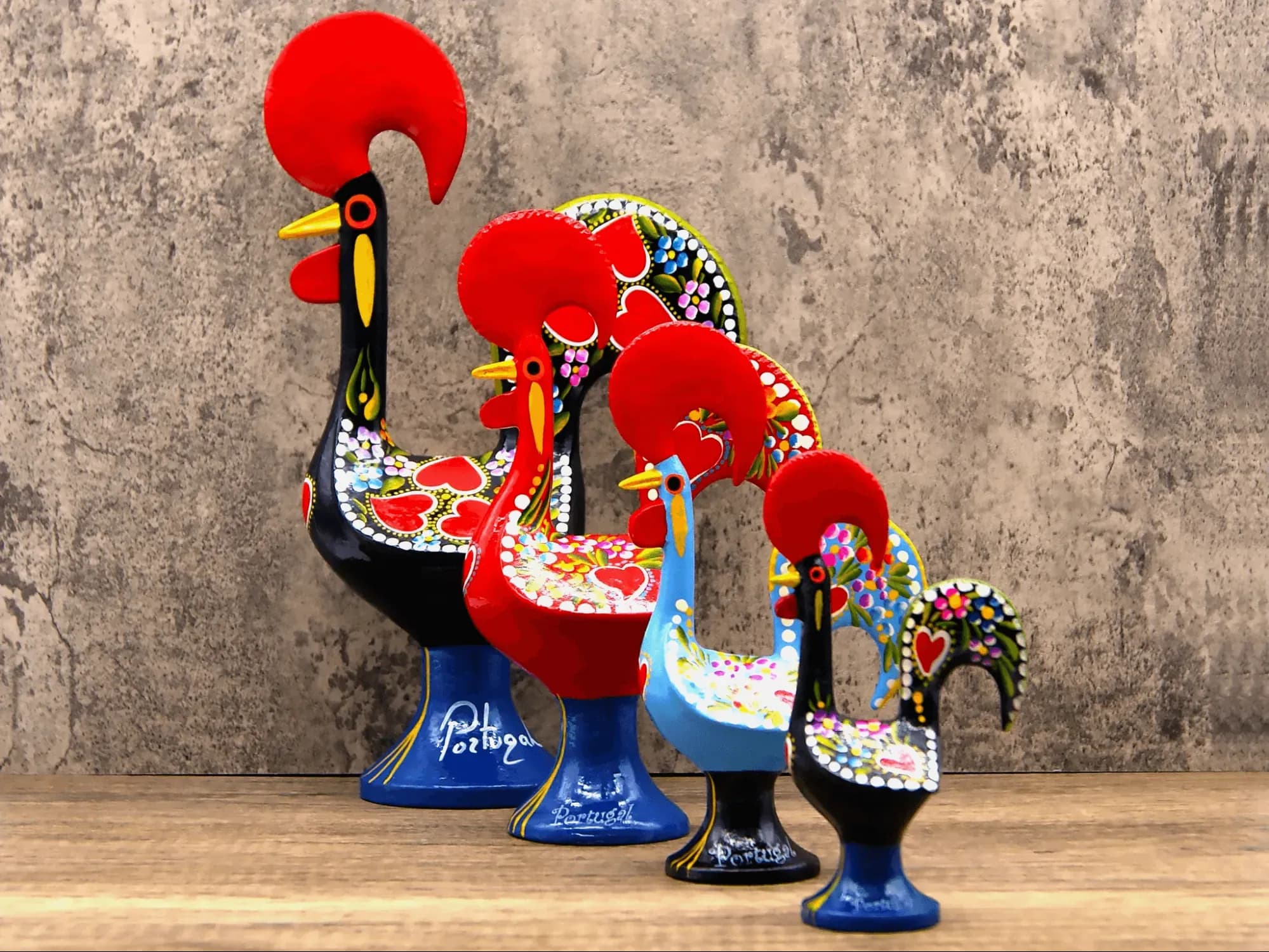
Behind Portugal's most recognisable symbol is a single legend. A Galician pilgrim, falsely accused of theft, faced execution. As a last appeal, he pointed to a roasted cockerel on the judge's table and declared that it would crow to prove his innocence. It did, and the pilgrim walked free.
From that regional story, the cockerel grew into a national emblem representing faith, justice, luck, and integrity. Today it appears on tiles, textiles, ceramics, and souvenirs across the entire country, which makes finding an authentic one all the more satisfying.
Genuine handmade clay cockerels come from artisans in the Barcelos region, and the Feira de Barcelos market is the home of the tradition. Mass-produced imitations are everywhere, so buying directly from local craftspeople makes a real difference to the people keeping this tradition alive.
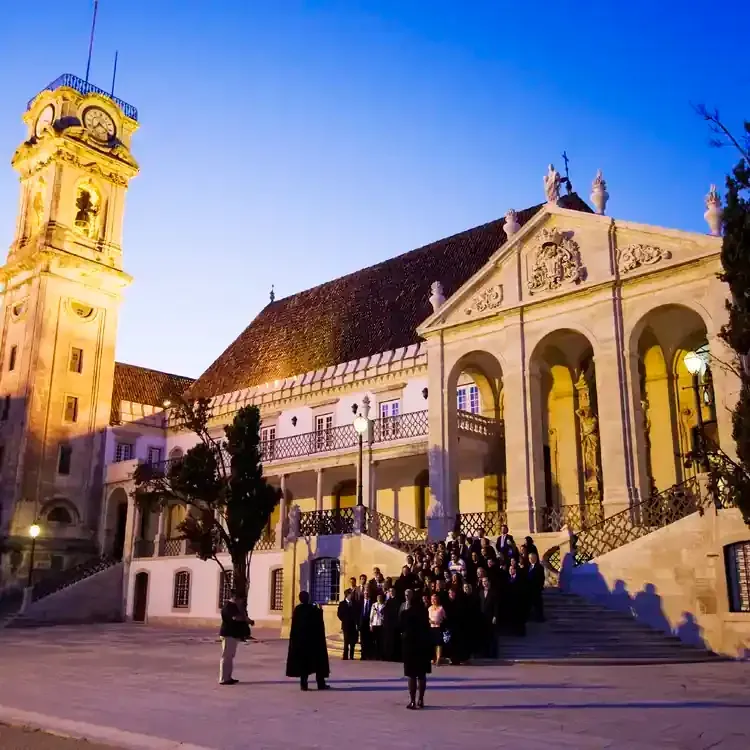
The University of Coimbra was founded in 1290, making it one of the oldest universities in the world, and its students have been celebrating the end of the academic year with Queima das Fitas for generations.
The name translates as Burning of the Ribbons, referring to the symbolic moment when final-year students burn their faculty ribbons at the end of their studies.
Each faculty has its own ribbon colour, and students wear the traditional traje académico (academic costume) throughout the week-long programme of serenatas, parades, concerts, and the main Queima procession.
The most memorable moment for most visitors is the serenata monumental performed on the steps of the old university building under the night sky, with the whole city gathered to listen. It is the kind of experience that stays with you.
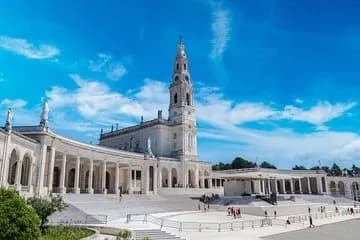
In 1917, three shepherd children near the small town of Fátima reported apparitions of Our Lady of Fátima in a series of events that drew international attention and transformed the town permanently.
The Sanctuary of Fátima built around the site now attracts hundreds of thousands of pilgrims on 13th May and 13th October each year. Some pilgrims walk for days to reach the sanctuary. Others complete the final kilometres on their knees as a physical act of devotion, a sight that stops most first-time visitors in their tracks.
Beyond Fátima, romaria pilgrimages take place across the country throughout the year. The Romaria de Nossa Senhora d'Agonia in Viana do Castelo combines processions, traditional costumes, and fireworks in one of the most visually spectacular celebrations in northern Portugal.
The Bom Jesus do Monte pilgrimage in Braga draws thousands of devotees who climb its famous baroque staircase on their knees. In the Azores, the Romaria de São Miguel weaves faith, folk dance, and community celebration into a single event that reflects the islands' distinct character. Across all of these, the same blend of religious devotion, music, and community spirit defines the experience.
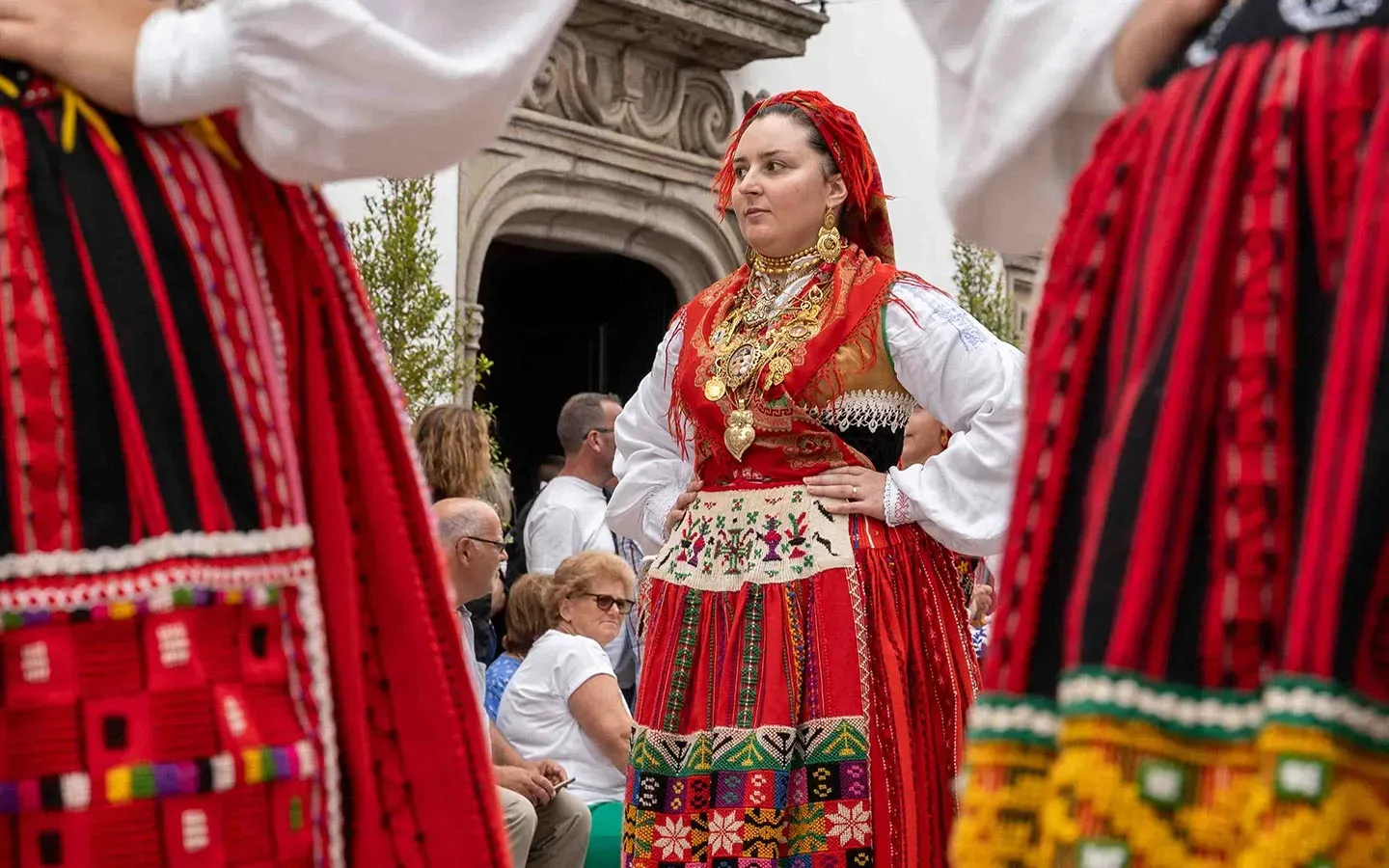
Traditional clothing in Portugal varies dramatically between regions, and that variety is itself a reflection of how geographically and culturally diverse the country is. While traditional dress is no longer worn daily, it remains an active part of festas, romarias, and folk dance performances across the country.
In the Minho region, costumes feature embroidered skirts, elaborate gold jewellery, and detailed headpieces. The Alentejo favours simple, functional clothing that reflects its agricultural landscape and long, dry summers.
The Algarve brings bright colours with Moorish and Mediterranean influence. Madeira's traditional dress includes lacework, embroidered waistcoats, and the distinctive cabbouço leather boots.
In the Azores, seafaring influences show in sailors' capes and wide-brimmed hats. Each region's dress tells a story about its history, geography, and the values of the people who developed it.
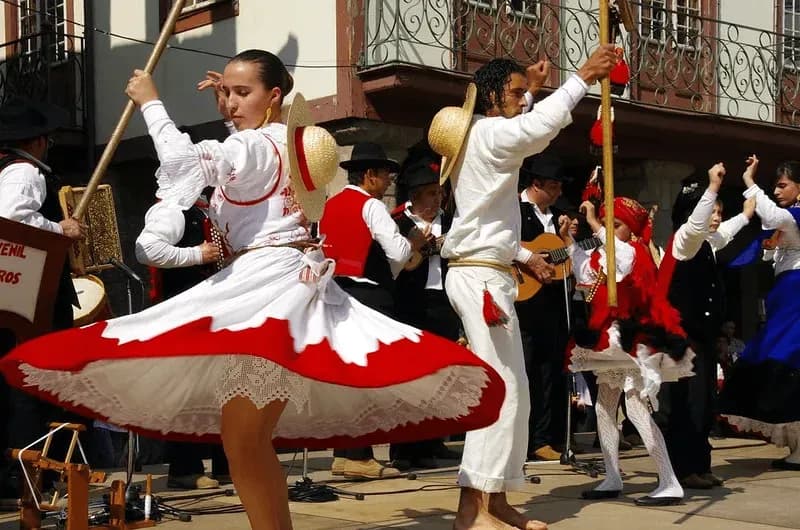
Portugal's northern regions hold some of the country's oldest and most distinctive dance traditions. The Pauliteiros de Miranda, from Trás-os-Montes, is a stick dance of pre-Roman origin performed by eight men to the sound of bagpipes, a reminder that Portugal's cultural roots run far deeper than most expect.
The Caretos de Podence carnival, featuring colourful masks and belts of cowbells in a pre-Roman Celtic tradition, received UNESCO recognition in 2019. The Vira from Minho is a lively couple dance in triple time, while the Chula from the Douro region is closely associated with the wine harvest.
Moving south, the Fandango from the Ribatejo region shows the influence of Spanish dance traditions, while the Corridinho from the Algarve is fast-paced, joyful, and immediately welcoming to anyone who joins in.
The Bailinho da Madeira is the island's signature folk dance, performed at festivals throughout the year. In the Azores, folk dances reflect the seafaring history and close-knit community life that shaped the islands over centuries. Many folk dance groups perform publicly at festivals, and watching a live performance is one of the most direct ways to connect with regional culture.
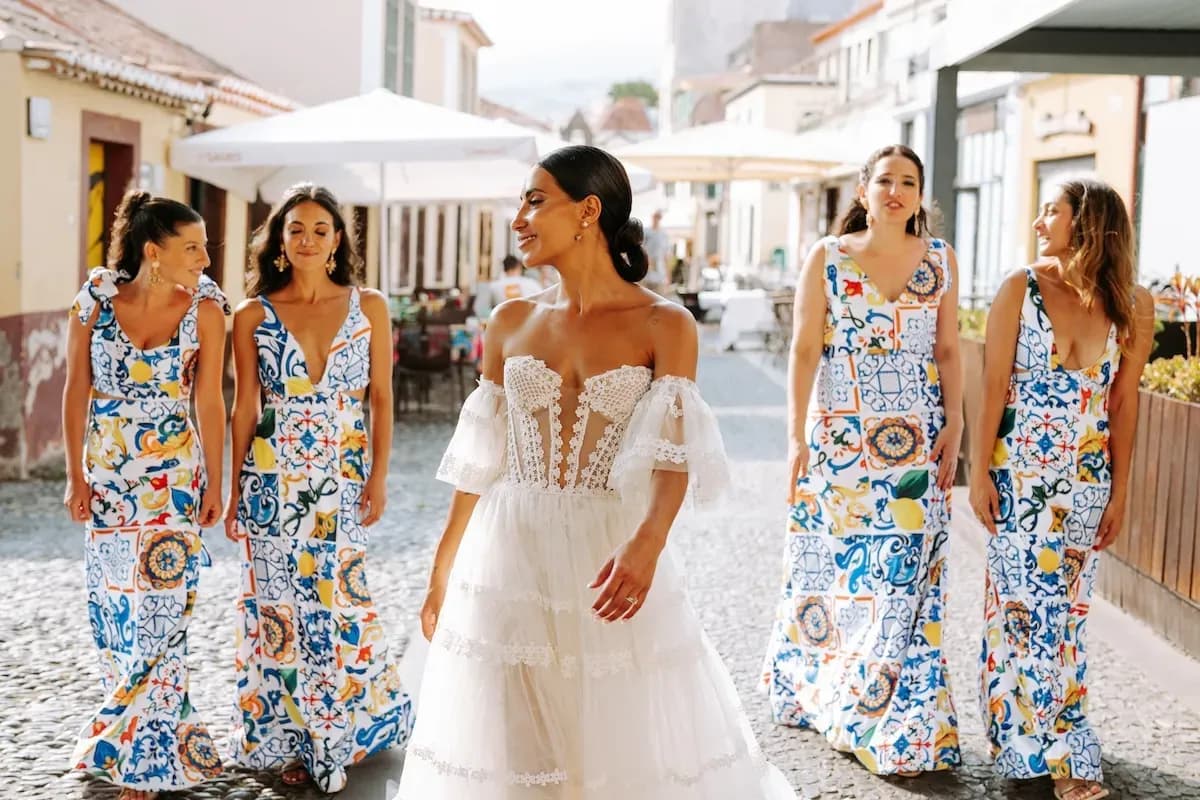
Traditional Portuguese weddings follow customs that go back generations, beginning long before the ceremony itself. The groom visits the bride's family to formally ask for her hand, a gesture that acknowledges the family's role in the marriage.
The padrinhos (godparents) then take on the roles of mentors, advisers, and financial contributors throughout the entire celebration, not just the day itself. During the ceremony, the groom presents the bride with thirteen arras: gold or silver coins symbolising his commitment to provide for their shared life.
The lenço dos namorados, a hand-embroidered handkerchief decorated with love symbols, remains a cherished gift tradition in northern Portugal. The reception feast typically includes bacalhau, roast suckling pig, seafood, and wine in generous quantities.
Folk dances often appear late in the evening, and guests leave with bem-casados, sweet biscuit sandwiches given as favours, a tradition that connects the celebration to Portugal's convent pastry heritage.
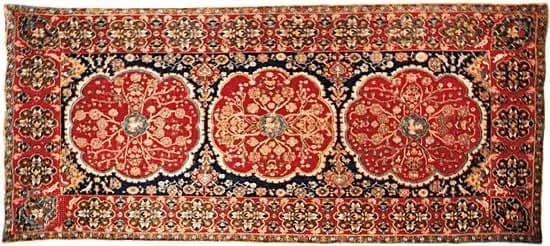
Arraiolos carpets originate from the Alentejo town of the same name, with a history predating the 17th century. Each carpet is hand-stitched using the distinctive ponto de Arraiolos cross-stitch on open-weave linen, and the geometric and floral patterns are worked in vivid, saturated colours that hold their richness over time.
A single carpet can take months to complete by hand, which explains both their price and their value as objects worth passing down.
Portugal's ceramic traditions are equally rich and equally regional. Barcelos pottery is known for bold colours and cockerel motifs. Caldas da Rainha produces satirical pottery with a history dating to the 19th century. Alcobaça is associated with delicate hand-painted pieces. Vista Alegre, founded in 1824, remains Portugal's most prestigious porcelain brand and is still in production today.
Bilros lace from Peniche is an intricate bobbin lace with centuries of documented history. Madeira embroidery is exported worldwide and recognised for its fine drawn-thread work. Castelo Branco silk embroidery produces colourful bedspreads with motifs that are completely distinctive to the region.
Taken together, these crafts are not relics. They are forms of living cultural heritage, kept alive by skilled artisans who have chosen to preserve them.
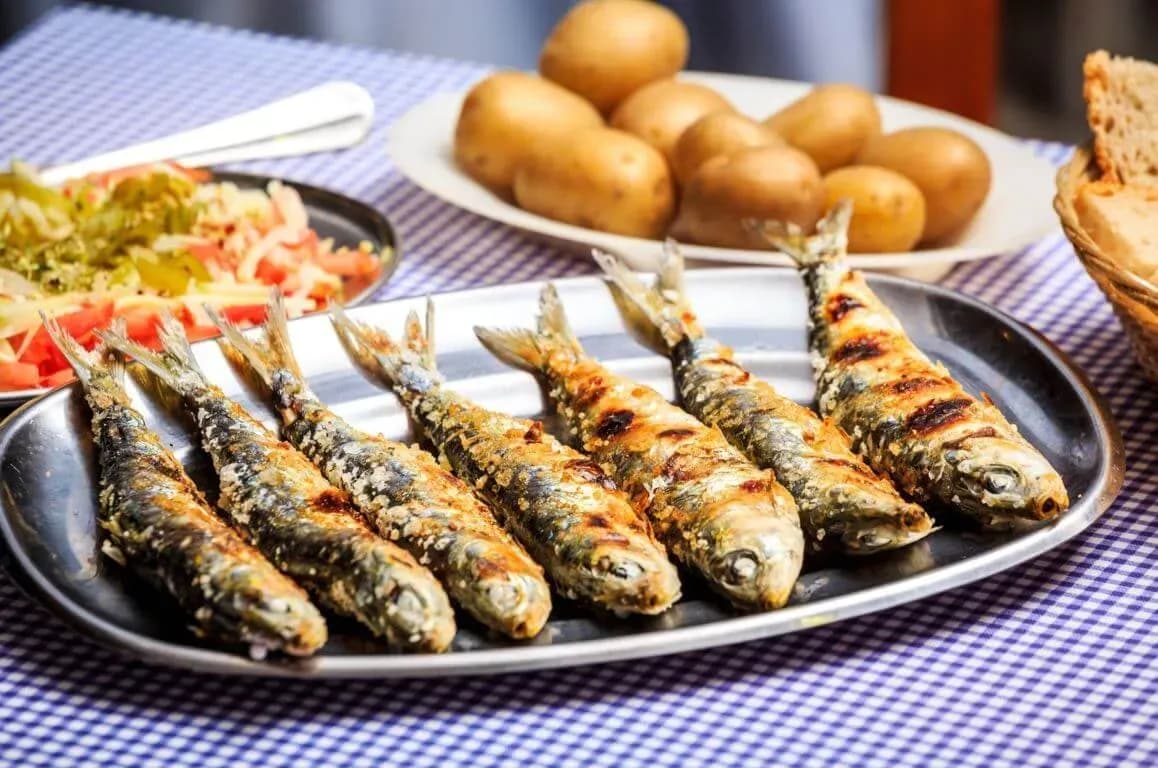
Sardine is not just food in Portugal. It is a cultural icon, and its importance becomes clear the moment June arrives. Sardine season runs from June to September, and the smell of sardines grilling on charcoal is the defining sensory experience of a Portuguese summer.
During the Festas de Lisboa, that smell fills every street in the city. The Festa da Sardinha in Portimão, held in August, takes the celebration even further with grilling competitions, live music, and street parties that draw visitors from across the country.
Eating a grilled sardine the Portuguese way means placing it on a thick slice of bread with no fork. The bread absorbs the oil and becomes part of the meal. Portugal's love of tinned fish (conservas) has also gained a growing global following, with gourmet tinned sardines, mackerel, and tuna sold in dedicated shops and exported worldwide.
%2520in%2520Braga.webp&w=1920&q=75)
Braga is known as the Rome of Portugal, and its Catholic heritage runs deeper than anywhere else in the country. Holy Week reflects that identity in full. Celebrations begin on Palm Sunday with processions through the city, followed by the Lord's Supper ceremony on Holy Thursday.
The Ecce Homo procession on Good Friday sees participants dressed in biblical costumes walking through the streets, and the Via Sacra procession follows shortly after. The scale of Braga's Holy Week is comparable to the great celebrations of southern Spain and is considered one of the most significant in Europe.
Similar traditions are observed in other Portuguese cities, but Braga's version, shaped by centuries of religious and civic pride, remains the most powerful expression of the country's Catholic heritage.
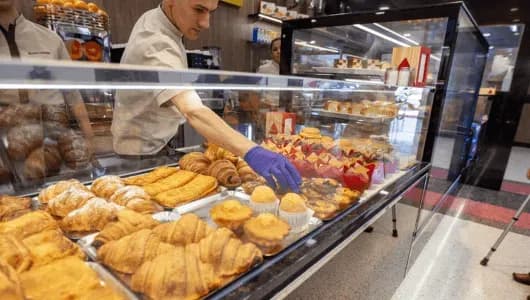
A pastelaria is part café, part bakery, and entirely central to Portuguese daily life. The morning ritual follows a simple logic: arrive before 9 AM, order a bica or galão, eat a pastel de nata at the counter, and start your day properly. Standing at the counter is the most authentic experience and usually the cheapest, because table service costs more and misses the point.
Beyond the classic pastel de nata, the full pastelaria menu rewards exploration. A croissant de manteiga is buttery and flaky in the way only fresh pastry can be. A bola de berlim is a custard-filled doughnut popular in summer.
A tosta mista (toasted ham and cheese) is the savoury backbone of many a Portuguese morning. The travesseiro, a puff pastry filled with almond cream, is a speciality from Sintra worth seeking out. Regional queijadas (cheese tarts) vary town by town.
What makes the pastelaria remarkable is not the food, though the food is excellent. It is the fact that it levels all social differences. Bankers, builders, students, and retirees all stand at the same counter, order the same things, and pay the same price. It is one of the great equalisers in Portuguese life.

Football in Portugal is not a hobby. It is a national passion, a cultural institution, and a shared identity that cuts across region, age, and background. The big three clubs define the conversation and the loyalties that go with it.
Sport Lisboa e Benfica, playing at the Estádio da Luz in Lisbon, is the most supported club in Portugal. FC Porto, based at the Estádio do Dragão, carries the pride of the north and a significant Champions League pedigree. Sporting CP, Lisbon's other club, has historically been one of Europe's most prolific producers of football talent.
The rivalry between Benfica and Porto is one of the most intense in European football, and matchdays in either city carry an energy that is hard to describe until you experience it. Cristiano Ronaldo, born in Madeira, stands as the country's most globally recognised sporting figure. Other legendary names include Eusébio, Luís Figo, and João Félix, each of whom shaped how the world sees Portuguese football.
The 2016 European Championship win holds a special place in the national memory, and the footage of Ronaldo coaching and encouraging his teammates from the sideline after his injury tells you everything about what the game means here.
Going to a match as an expat is one of the fastest ways to connect with local culture, and local clubs in smaller towns play an equally significant role in community life.
Many people begin exploring Portuguese traditions long before they pack a single box. Knowing the culture, the food, and the way of life makes the move feel real in a way that visa research alone never quite does. If you are at that stage, you are already asking the right questions. The next step is making sure your move happens on the right legal and financial footing, and that is exactly where Touchdown comes in
Each journey is unique, but the goal is always the same: to help you secure residency, structure your taxes with clarity, and thrive in one of the most beautiful, forward-thinking countries in Europe.
Touchdown is Portugal's leading relocation platform. Backed by a veteran team of expert lawyers, we simplify the entire relocation journey by providing everything you need to set up and thrive in your new home through an integrated, easy-to-use platform.
Portugal's traditions run deep, and so does our knowledge of what it takes to build a life here. Ready to take the next step? Book an introduction call with our team and get clear, expert guidance on your visa options, tax position, and what your move to Portugal actually looks like in practice.
Portugal's most celebrated traditions include fado music, the Festas de Lisboa in June, the São João festival in Porto, bacalhau cooking, azulejo tile-making, and romaria pilgrimages. Most date back centuries and are still actively celebrated today.
Portugal is most known for fado, pastéis de nata, port wine, azulejo tiles, and the concept of saudade. Its warm climate and welcoming culture have also made it one of Europe's most popular destinations for international relocation.
Fado music, the Festas de Lisboa, bacalhau cooking, filigree jewellery from Gondomar, and the Queima das Fitas celebration in Coimbra are five of the most distinctive.
Here are the 5 most interesting facts about Portugal’s culture:

Author Bio
Henrique Moreira de Sousa
Henrique leads Immigration at Touchdown. Henrique is a Portuguese Lawyer and immigration law specialist that has overseen the relocation of hundreds of expats to Portugal.
Related Articles
Related Articles
Let's Stay in Touch. Sign up for Touchdown Highlights